Blog
 Field notes: the vendor call that said "we're fine" three hours before the pass disagreed
A supplier phoned in "we're fine." Three hours later a pass over the same roof told a different story. Notes on the gap that matters for allocation.
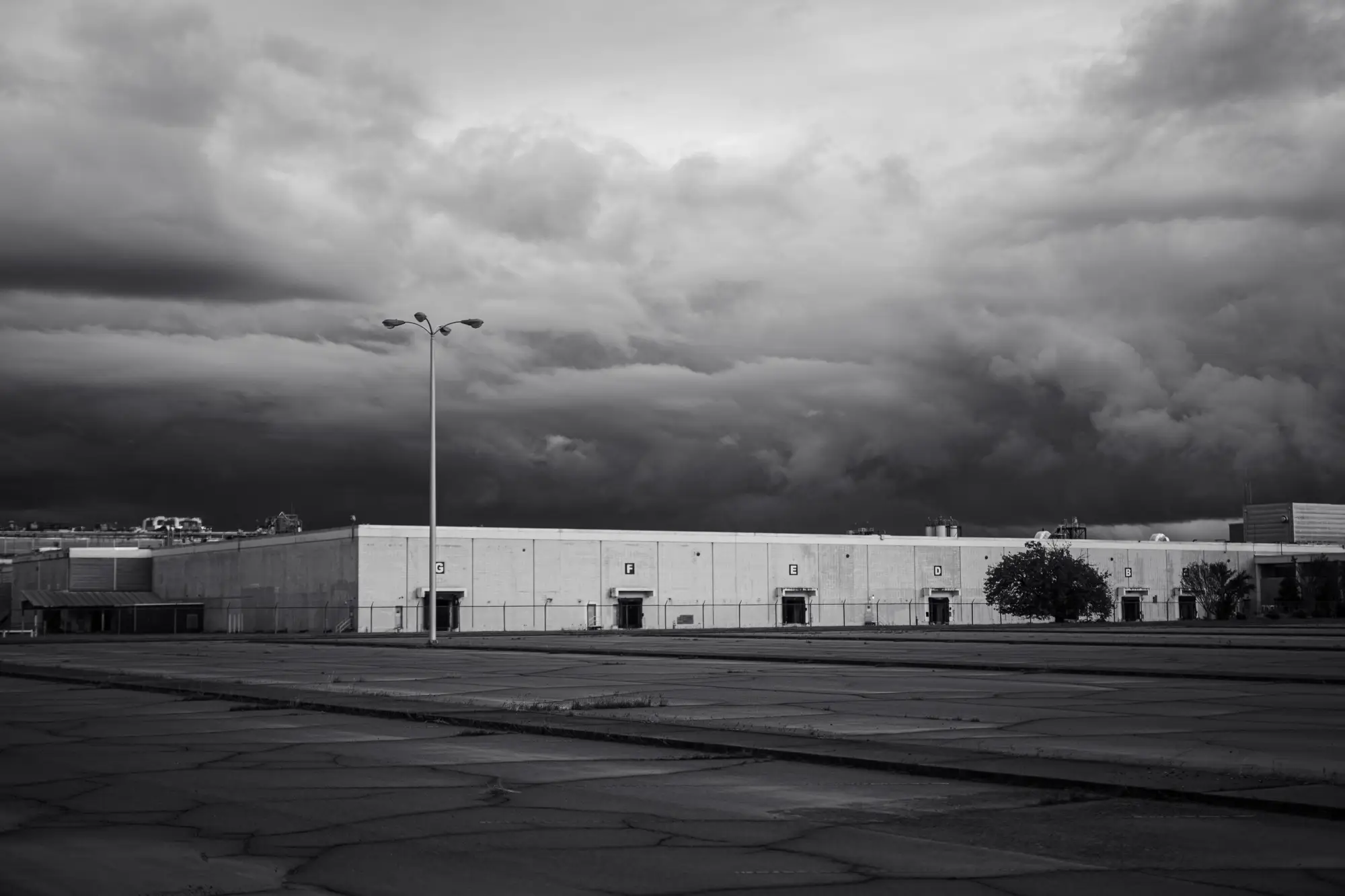 What is a disaster declaration, and why per-site checks don't wait
A disaster declaration can take weeks and never names your supplier sites. Here's why control towers check hazard footprints per site instead.
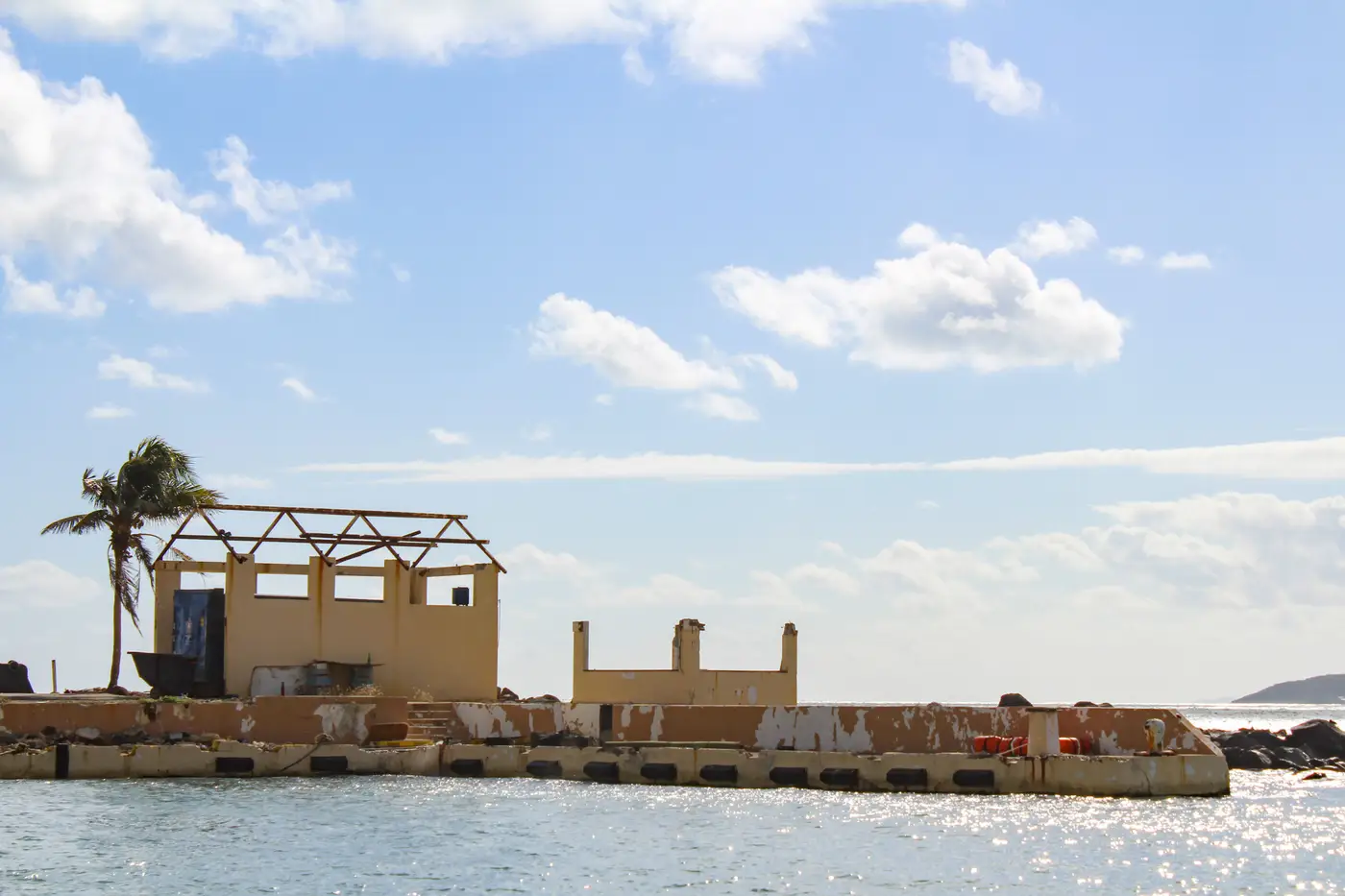 Reconciling a supplier's damage report against a satellite site call
How to check a supplier's self-reported damage against an independent site call, and what to do when the two don't match.
- Confirmed-loss vs. watch-list sites in supplier risk monitoring
How supply chain control towers and insurers sort named supplier sites into confirmed-loss, watch-list, and cleared after a flood, quake, or cyclone.
- Field notes: the four hours between the eye and the first site list
A field-notes look at the slow, uncertain hours after a storm's eye passes, before anyone knows which named supplier sites actually took the hit.
- What GSD do you need to call a supplier site damaged?
A breakdown of GSD tiers, from 3m regional imagery down to 0.5m VHR, and which one lets you call a supplier roof damaged.
- Flood warning zone vs. flooded: how to tell the difference at the site level
A flood warning polygon tells you who might get wet. Here's how to tell which named supplier sites went under, within hours.
- What is first notice of loss, and why a supplier site almost never files one
FNOL works when the damaged site is your policyholder. For a named supplier site, it usually never gets filed at all. Here's why.
- Field notes: the two plants ten miles apart that the same storm treated like strangers
A flooded plant and its dry neighbor ten miles away, same storm, show why proximity is the wrong proxy for which named sites took the hit.
- What counts as visible damage in a satellite image of a supplier site
A guide to what RGB satellite imagery shows after a flood, quake or cyclone, and where a visual damage call stops.
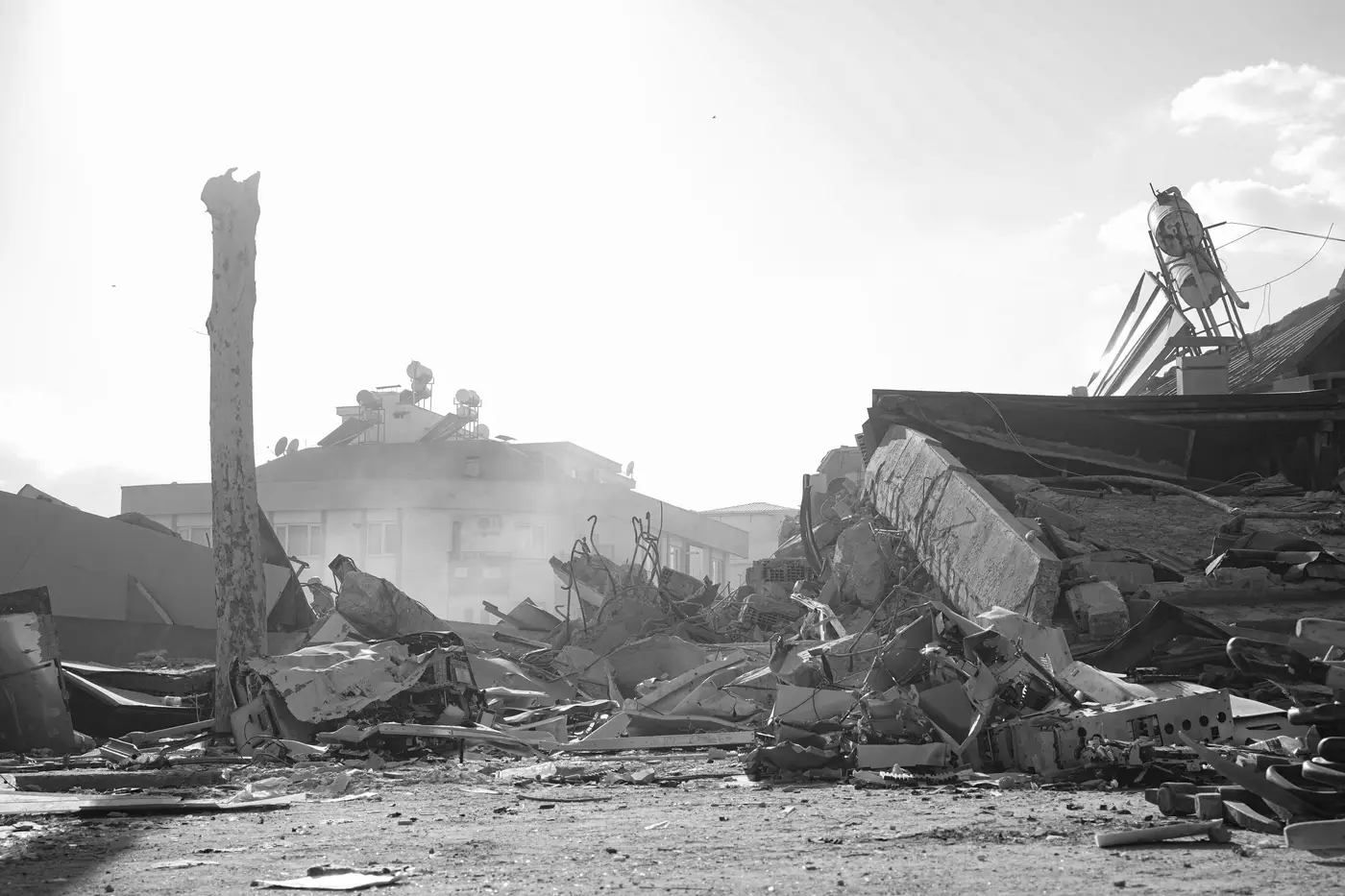 How to Confirm a Supplier Site Sits Inside an Earthquake's Shaking Zone
A walkthrough on checking whether a named supplier site fell inside a quake's shaking footprint, and why intensity alone won't tell you if it's damaged.
- What is a notification radius in supplier hazard monitoring?
A notification radius flags supplier sites near a hazard's center. Here's how it works and where it falls short of a damage check.
- How long does a field adjuster drive-out take after a regional disaster?
What drives adjuster dispatch time after a catastrophe, and why the gap before a first damage report matters for supplier decisions.
- Near miss vs. direct hit: reading a supplier site after a hurricane
How to tell whether a named supplier site took a direct hit or a near miss after a hurricane, and why the warning area isn't the footprint.
- Cyclone forecast cone vs. wind field footprint: what it means for supplier risk
Why the forecast cone and the actual wind swath answer different questions, and which one tells you which supplier sites got hit.
- How to triage hundreds of supplier sites after a regional earthquake
A working method for sorting a large supplier site list into hit, maybe-hit and clear in the hours after a regional quake, without waiting on self-reports.
- USGS PAGER alerts vs site-level damage checks for supply chain teams
USGS PAGER gives a regional shaking estimate within minutes. Here's why supply chain teams still need a site-level damage check for named facilities.
- What is a named supplier site list in supply chain risk management?
What a named supplier site list is, how it differs from a supplier directory, and why it matters for event monitoring.